3D Works
Building in three dimensions involves understanding form, structure, texture, and how an idea translates into a believable object or environment.
My interest is how digital objects can tell stories, support larger worlds, and make ideas feel tangible. This way of thinking has influenced how I approach other areas of work. To me, it’s one of the clearest examples of how imagination becomes something concrete.
To the Bakery
Context
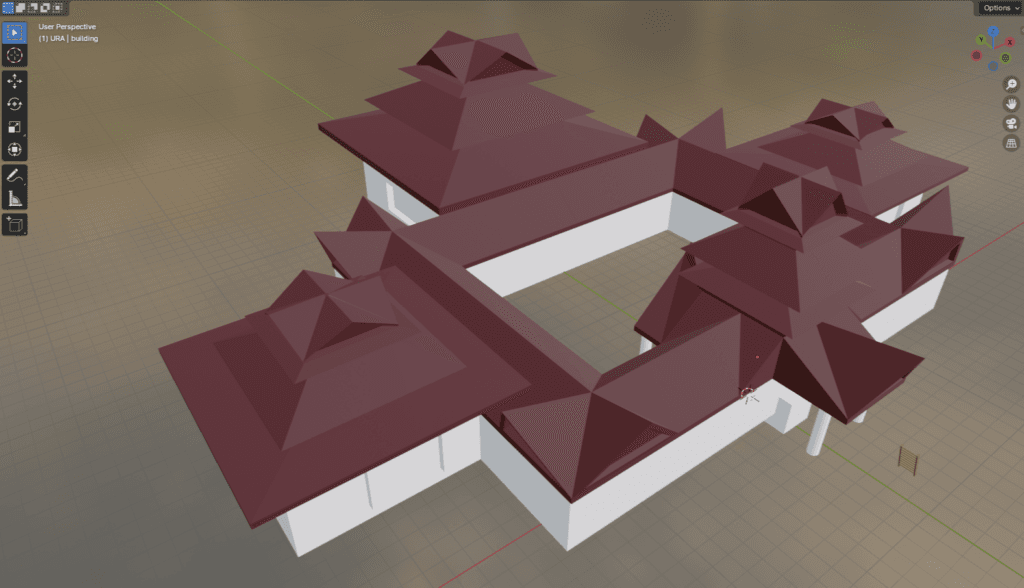
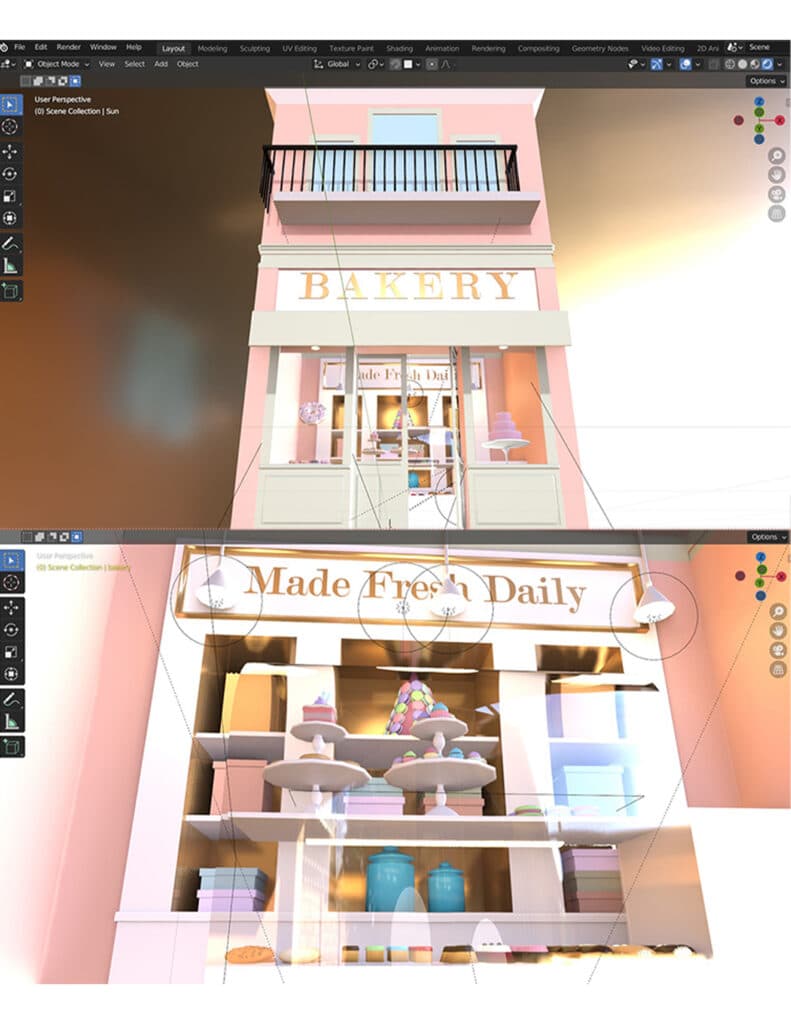
To the Bakery was a project I created for a 3D animation course. The assignment gave me the opportunity to build a complete piece from the ground up, combining both 3D modeling and animation into a single finished project. I chose to showcase it because it reflects both the technical and creative sides of my work, from constructing the model itself to developing a fully animated sequence.
The Challenge
The challenge was not only creating a 3D model from scratch, but also carrying that work through to a complete animation. This required balancing design, structure, movement, and timing while managing the full workflow independently. Because the project was completed on my own, every stage depended on my ability to translate an idea into something visually clear and technically functional.
My Role
I was responsible for the entire project from start to finish. This included creating the 3D model from scratch and producing approximately a minute and a half of animation independently. My role involved both the technical execution and the creative direction needed to turn the concept into a completed piece.
Approach
I approached the project by treating modeling and animation as parts of the same storytelling process. First, I focused on building a strong 3D foundation by creating a model that felt intentional and complete on its own. From there, I developed the animation with attention to pacing, movement, and continuity so the final result would feel cohesive rather than simply demonstrating isolated technical skills. The goal was to create a finished piece that showed both construction and motion working together.
Outcome
The final result was a fully realized 3D project that included both an original model and a minute-and-a-half animation completed independently. More importantly, it demonstrated my ability to take a project from concept to execution without relying on pre-made assets, showing both technical capability and follow-through in a medium that requires patience, structure, and creative control.
Sample Work

Pustaha
Context
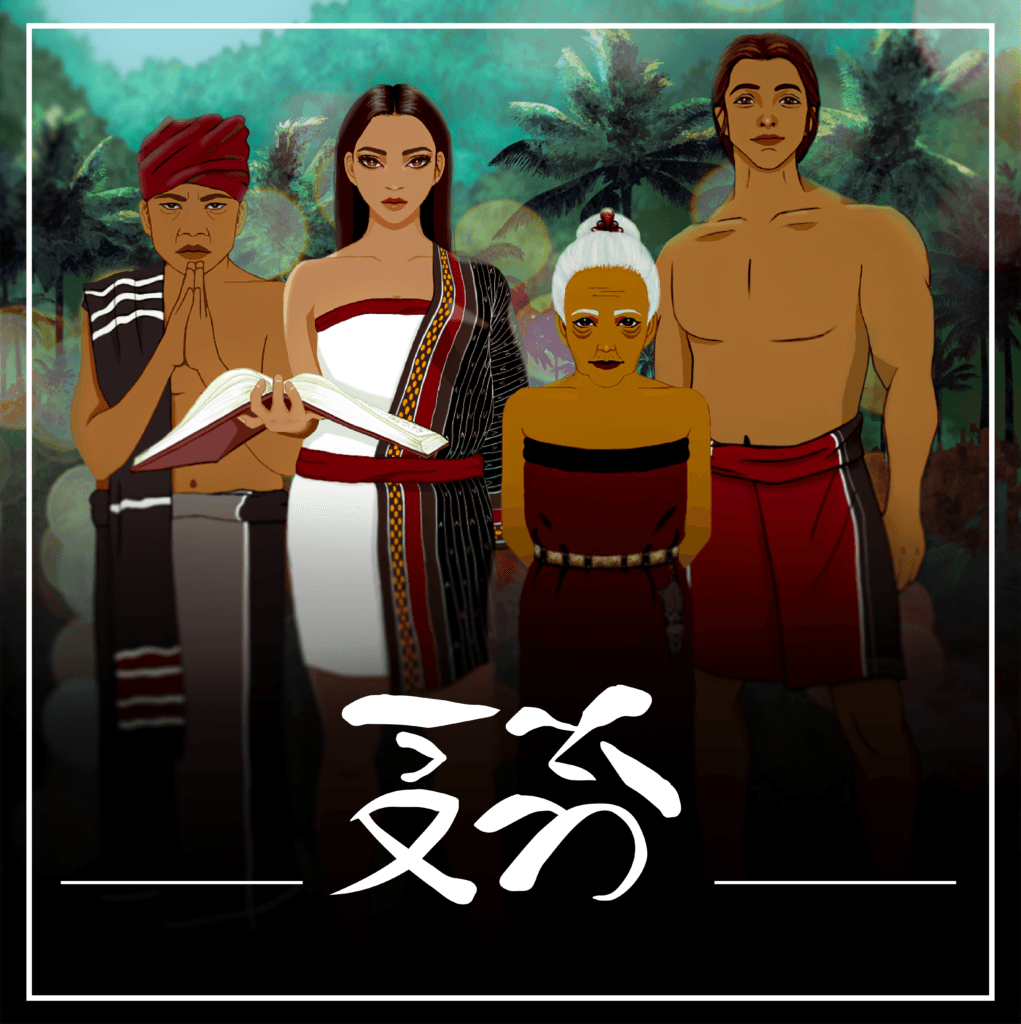
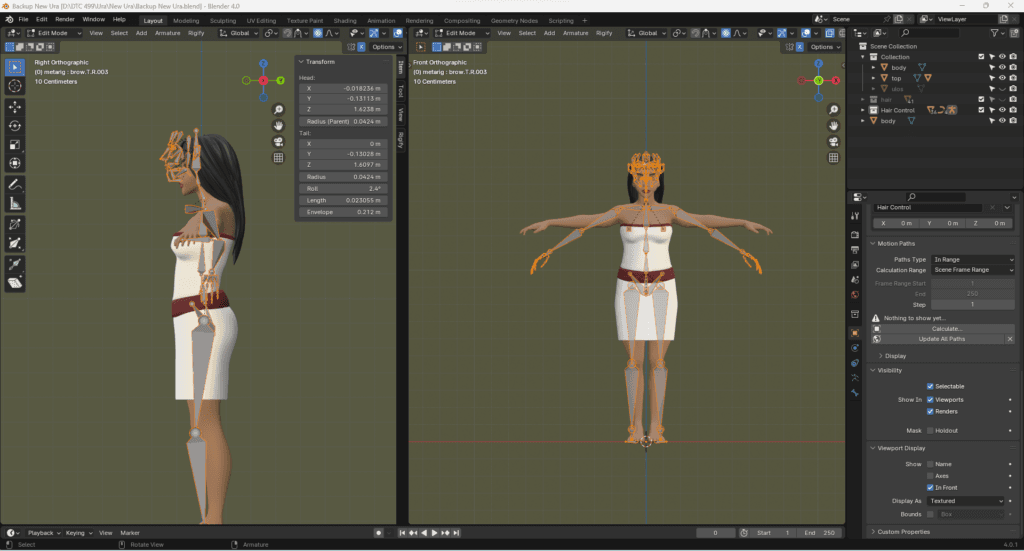
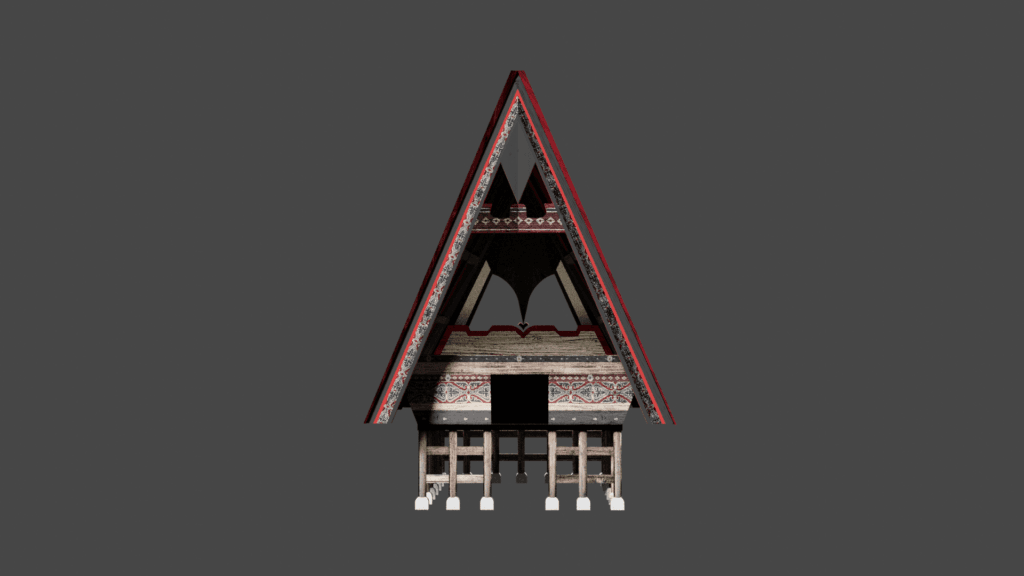
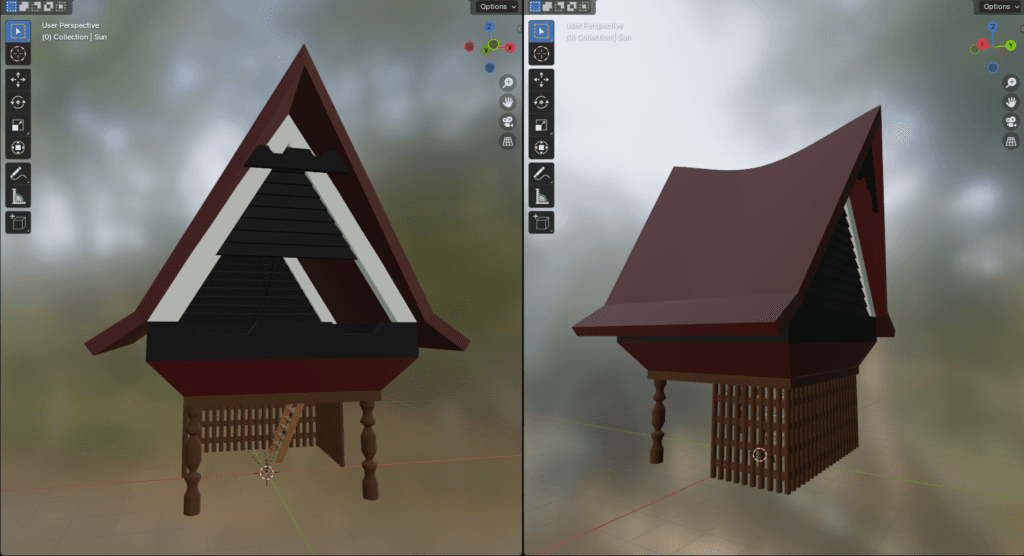
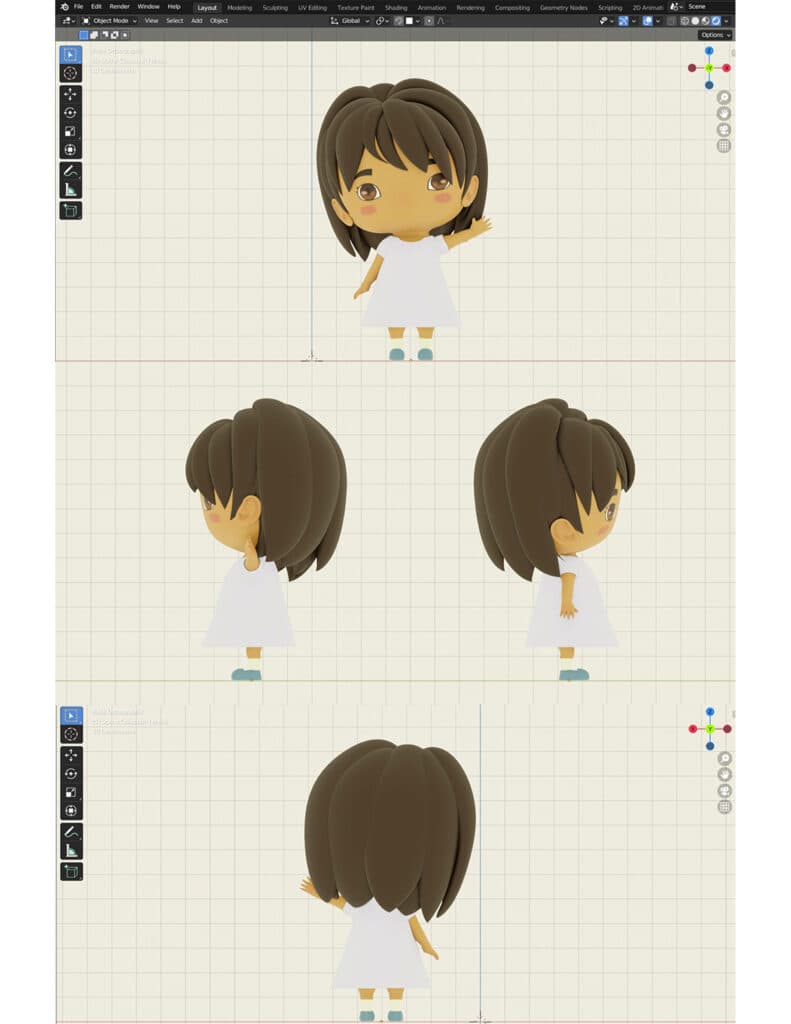
Pustaha was a worldbuilding-focused game project where I explored character design, environment creation, and visual storytelling across both 2D and 3D formats. The project included videos of the main character, Ura, moving through an environment built in Unity, combat footage involving a creature encounter, a 3D Batak house model created in Blender, and 2D story images featuring the larger universe and its major characters.
The Challenge
The challenge was creating a project that felt like more than a set of isolated assets. Because the work spanned multiple tools and formats, it required consistency across character design, environmental design, and narrative tone. The project needed to communicate a believable story universe while also demonstrating technical ability in modeling, game-space construction, and visual development.
My Role
I developed the creative and technical components of the project, including building the 3D models for Ura and the Batak house, creating the game environment in Unity, and developing 2D visual material that helped define the broader story world and its major characters. My role involved not just asset creation, but also shaping how the world itself was presented.
Approach
I approached Pustaha as a universe-building project rather than a single model or scene study. The 3D work focused on making the world feel navigable and alive through character and environment design, while the 2D work helped establish the larger narrative context beyond what could be shown in motion alone. By combining Unity, Blender, and illustrated story imagery, I worked to create a cohesive visual identity that linked gameplay, setting, and character storytelling together.
Outcome
The result was a multidimensional project that demonstrated my ability to work across modeling, environment design, and narrative worldbuilding. More importantly, Pustaha shows how I think beyond individual assets and toward larger systems of story, place, and character. It reflects both technical execution and creative direction, with each component contributing to a more fully realized universe.
Sample Work